


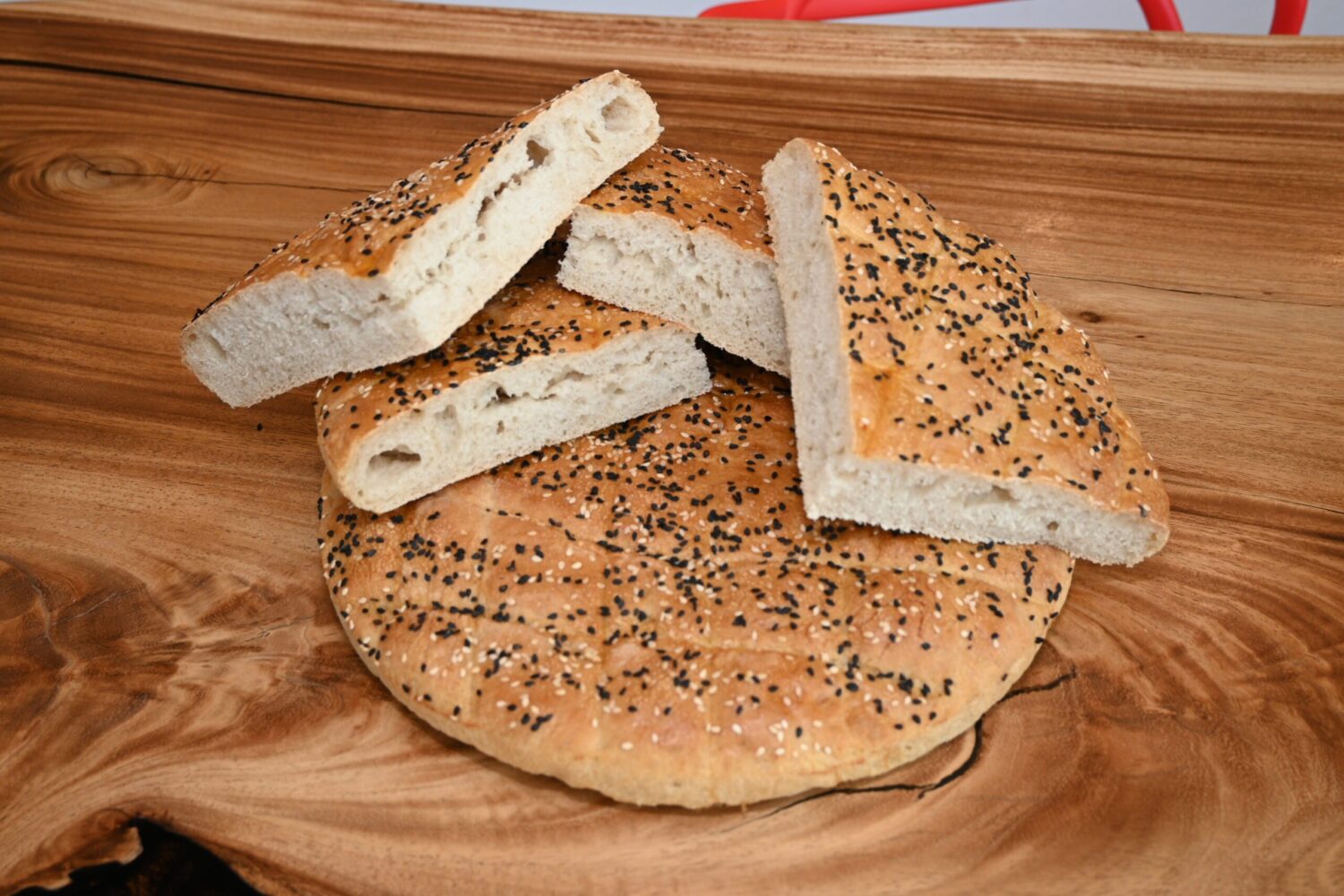
What Makes Gluten-Free Bread Different from Regular Bread?
Bread may look simple, but not all bread is created equal. One of the biggest differences you’ll notice in bakeries today is gluten-free bread vs regular bread. They may appear
similar, but the ingredients, texture, taste, and behavior are very different. Let’s break down what sets them apart.
1. The Main Ingredient Difference
Regular bread is typically made from wheat flour, which naturally contains gluten — a protein that gives bread its elasticity and structure.
Gluten-free bread completely avoids wheat and uses alternative flours such as:
● Rice flour
● Almond flour
● Buckwheat flour
● Corn or potato starch
● Oat flour (certified gluten-free)
This change impacts texture, taste, and baking behavior, making gluten-free bread fundamentally different from traditional bread.
2. Texture & Structure
Gluten acts like glue in regular bread. It allows dough to stretch, trap air, and rise, resulting in a soft, chewy, and elastic loaf.
Gluten-free bread:
● Is usually denser
● Crumbles more easily
● Feels less stretchy
● May have a slightly grainy or moist texture
Bakers often rely on natural binders like xanthan gum, psyllium husk, or chia seeds, along with precise baking techniques, to replicate structure.
3. Taste Experience
Regular bread has a familiar, mild wheat flavor.
Gluten-free bread:
● Tastes different depending on the flour used
● Can be nutty, earthy, or mildly sweet
● Often tastes better when toasted
● Flavors can vary significantly between recipes, making each gluten-free loaf unique
4. Digestibility
Most people digest regular bread without issues. However, for those with gluten intolerance, celiac disease, or wheat sensitivity, it can cause bloating, discomfort, or
digestive issues.
Gluten-free bread:
● Is essential for people with celiac disease
● Can feel lighter on sensitive stomachs
● Helps avoid gluten-related digestive problems
5. Nutritional Differences
Regular wheat bread contains protein from gluten, fiber (if whole wheat), and certain
minerals.
Gluten-free bread:
● May be lower in protein depending on the flour
● Can benefit from added fiber, seeds, or grains
● Nutritional value depends heavily on ingredients used
● Always check labels for protein, fiber, and sugar content to ensure a balanced diet
6. Shelf Life & Freshness
Regular bread lasts longer because gluten structure helps retain moisture and many store-bought loaves contain preservatives.
Gluten-free bread:
● Usually has a shorter shelf life
● Best consumed fresh or frozen
● Freezing is often recommended to maintain texture and freshness
7. Who Should Choose Which?
Choose regular bread if you:
● Have no gluten sensitivity
● Prefer soft, elastic bread
● Want an affordable and readily available option
Choose gluten-free bread if you:
● Have celiac disease or gluten intolerance
● Experience digestive discomfort with wheat
● Want to avoid wheat or gluten completely
Final Thoughts
Gluten-free bread is not just regular bread without wheat — it’s a completely different product. From ingredients and texture to digestibility and nutrition, the differences are
significant. Understanding these distinctions will help you choose the bread that best fits your body, taste, and lifestyle.


Sorry, the comment form is closed at this time.